

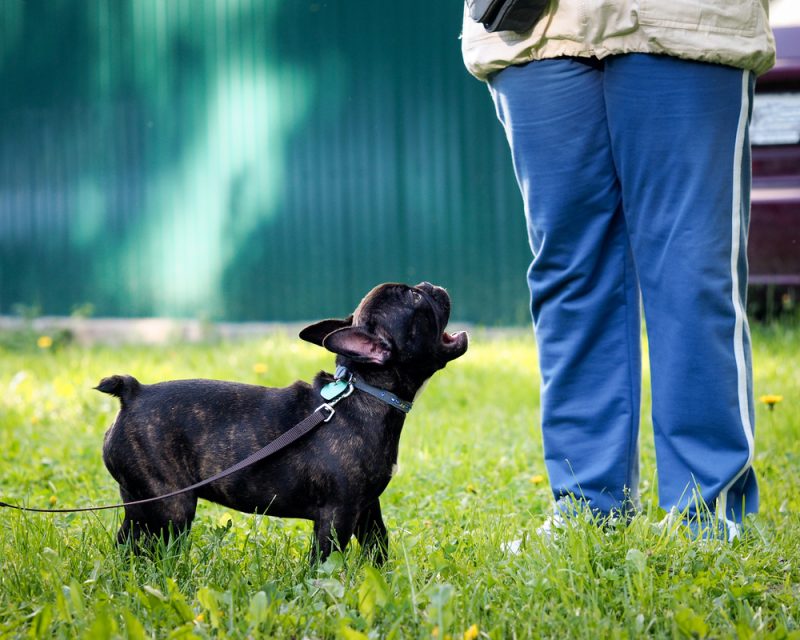
Introduction to Dog Barking
Barking is a normal and healthy way for dogs to communicate. However, excessive barking can be a problem for many dog owners. If your dog barks constantly, it can be frustrating and may lead to problems with your neighbors. The good news is that most dogs can learn to bark less with the right training and strategies.
Understanding Why Dogs Bark
Before you can stop your dog from barking, you need to understand why they are barking in the first place. Some common reasons for barking include boredom, frustration, fear, and alerting you to something. Once you know why your dog is barking, you can start to address the underlying issue.
Effective Ways to Stop Excessive Barking
Here are some effective ways to stop excessive barking:
1. Identify the Trigger
Identify what triggers your dog’s barking. Is it the mailman, a squirrel, or something else? Once you know what triggers the barking, you can take steps to remove or manage the trigger.
2. Avoid Rewarding the Barking
Dogs learn quickly, so if they bark and get attention, they will continue to bark. Ignore the barking and reward your dog when they are quiet.
3. Teach a Better Way to Ask for Attention
Teach your dog a better way to ask for attention, such as sitting or touching your hand. Reward your dog when they use this new behavior.
4. Teach a Quiet Cue
Teach your dog a quiet cue, such as "quiet" or "settle." When your dog starts barking, say the cue and reward them when they stop barking.
5. Limit Alone Time
Dogs are social animals and can get anxious when left alone for long periods. Try to limit your dog’s alone time or provide them with interactive toys and puzzle toys to keep them occupied.
6. Build Self-Control
Some dogs bark because they feel impatient or overwhelmed. Teach your dog self-control by training them to wait calmly before getting what they want.
7. Create a Calm Place
Create a calm place for your dog to go when they feel overwhelmed. This could be a crate or a quiet room.
8. Prevent Greeting Chaos
If your dog barks when guests arrive, try to prevent greeting chaos by keeping them away from the door or using a baby gate.
9. Block Distracting Views
If your dog barks at things they see outside, try blocking their view with curtains or blinds.
10. Seek Professional Help
If your dog’s barking persists, seek professional help from a dog trainer or behaviorist.
Conclusion
Excessive barking can be a problem, but it can be addressed with the right strategies and training. By understanding why your dog is barking and using effective techniques to manage the behavior, you can reduce your dog’s barking and improve your relationship with them. Remember to be patient and consistent, and don’t hesitate to seek professional help if you need it. With time and effort, you can help your dog learn to bark less and live a happier, healthier life.