

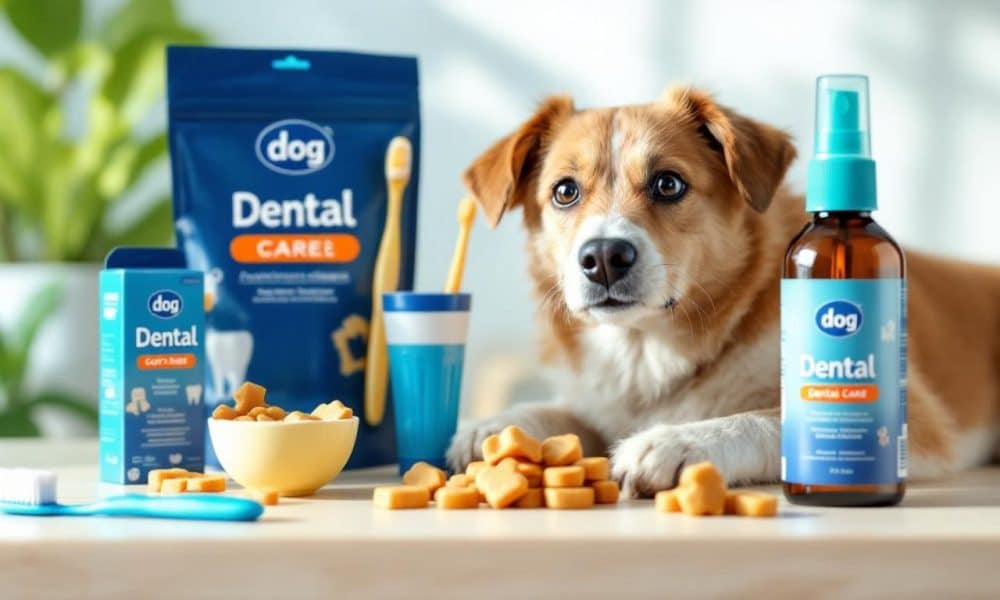
Introduction to Dog Dental Care
Your dog’s dental health directly impacts their overall wellbeing, yet 80% of dogs show signs of dental disease by age three. Poor oral hygiene leads to pain, tooth loss, and serious infections that can spread to vital organs. Selecting the right dog dental care product feels overwhelming with countless options available. The key lies in understanding your pet’s specific needs and choosing products backed by veterinary science.
Signs Your Dog Needs Better Dental Care
The Unmistakable Smell of Dental Disease
Bad breath in dogs never signals normal health, despite what many pet owners believe. Healthy dogs maintain neutral-smelling breath, while persistent foul odors reveal bacterial overgrowth and active infection. Halitosis often marks advanced periodontal disease, where bacteria produce sulfur compounds that create that distinctive rotten smell. Yellow and brown tartar buildup along the gumline provides visual proof of the problem. This hardened plaque resists removal through regular home care and demands professional veterinary intervention.
Physical Signs That Demand Action
Changes in eating behavior reveal dental pain that significantly impacts appetite and normal function. Dogs with oral discomfort often drop food, chew on one side of their mouth, or refuse hard kibble entirely. These behavioral shifts indicate pain levels that affect daily quality of life. Red, swollen gums that bleed when touched mark gingivitis (the early stage of periodontal disease). Untreated gingivitis can progress to periodontitis, leading to tooth loss and systemic infections that spread throughout the body.
Additional Warning Signals
Dogs paw at their face, drool excessively, and resist head touches when oral pain becomes severe. These behaviors indicate discomfort that requires veterinary attention within days, not weeks. Some dogs also develop loose teeth or show reluctance to play with their favorite chew toys. Once you recognize these warning signs, the next step involves selecting appropriate dental care products that address your dog’s specific needs and preferences.
Types of Dog Dental Care Products
Professional veterinarians recommend three primary categories of dental care products that deliver measurable results. Dental chews approved by the Veterinary Oral Health Council help control plaque and tartar when dogs use them daily, with brands like Greenies that show consistent effectiveness in clinical trials. These chews work through mechanical action as dogs gnaw, which scrapes away soft plaque before it hardens into tartar. Size matters significantly – small dogs need appropriately sized chews to prevent choking, while large breeds require durable options that won’t break into dangerous fragments.
Daily Brushing Delivers Superior Results
Dog-specific toothbrushes and enzymatic toothpastes provide the most effective home care option available. Virbac C.E.T. Enzymatic Toothpaste contains glucose oxidase that breaks down plaque-forming bacteria, while Petsmile Professional Gel earned VOHC recognition for proven plaque reduction. Daily brushing proves more effective than weekly or every other week brushing for reducing plaque, calculus, and gingivitis. Human toothpaste contains fluoride and xylitol that poison dogs, which makes species-specific formulations non-negotiable.
Water Additives and Sprays Offer Convenient Support
TropiClean Fresh Breath Oral Care neutralizes bacteria in water without taste alteration, which makes it ideal for dogs that resist direct dental care. These water additives work continuously throughout the day and reduce bacterial growth that causes bad breath and plaque formation. Dental sprays like Oratene Brushless Oral Care contain enzyme systems that break down existing plaque, though they cannot replace mechanical methods (brushing remains the gold standard). Water additives show particular value for senior dogs or those with mobility issues that make brushing challenging.
How to Evaluate Quality Dental Products
The VOHC Seal Separates Marketing from Science
The Veterinary Oral Health Council seal represents the only independent standard that validates dental product effectiveness through rigorous tests. Products that earn this recognition must demonstrate measurable plaque and tartar reduction in controlled studies that last at least six months. Currently, products worldwide have earned the VOHC Seal of Acceptance, which immediately narrows your selection to scientifically proven options.
Dangerous Ingredients That Demand Immediate Rejection
Xylitol appears in many dental products marketed for dogs but causes life-threatening hypoglycemia as soon as 30 minutes to 2 hours after ingestion. Even small amounts found in sugar-free gums or mints can kill medium-sized dogs, which makes any xylitol-containing product an absolute no-purchase decision. Fluoride presents similar toxicity risks, as dogs swallow toothpaste rather than spit it out like humans do. Safe alternatives include glucose oxidase and lactoferrin enzymes that break down harmful bacteria naturally.
Veterinary Endorsements Trump Customer Reviews
Board-certified veterinary dentists provide the most reliable product recommendations based on clinical outcomes rather than marketing budgets. The American Veterinary Dental College maintains strict education requirements that keep these specialists current with research developments. Customer reviews often reflect palatability and convenience rather than actual dental health improvements, which makes them less valuable for product selection.
Safe Ingredient Lists Signal Quality Products
Quality dental products contain enzymes like glucose oxidase that actively break down plaque-forming bacteria without toxic side effects. Lactoferrin, a naturally occurring protein, provides antimicrobial benefits while remaining completely safe for dogs to swallow. Avoid products that list alcohol, artificial sweeteners, or human-grade fluoride compounds on their ingredient panels. Natural flavors like poultry or beef make products more appealing to dogs without compromising safety standards.
Conclusion
Proper dental care transforms your dog’s health and prevents painful conditions that affect their heart, kidneys, and overall quality of life. The American Veterinary Dental College confirms that consistent oral hygiene reduces the risk of systemic infections that spread from diseased gums to vital organs. Dogs with healthy mouths live longer, more comfortable lives with fewer expensive veterinary interventions. Your dog’s size, chewing habits, and temperament determine which dog dental care product works best for their specific needs. Professional veterinary guidance proves invaluable when you select products that match your pet’s individual health profile and behavioral preferences. By choosing the right dental care products and following a consistent oral hygiene routine, you can help your dog maintain a healthy, happy smile for years to come.