

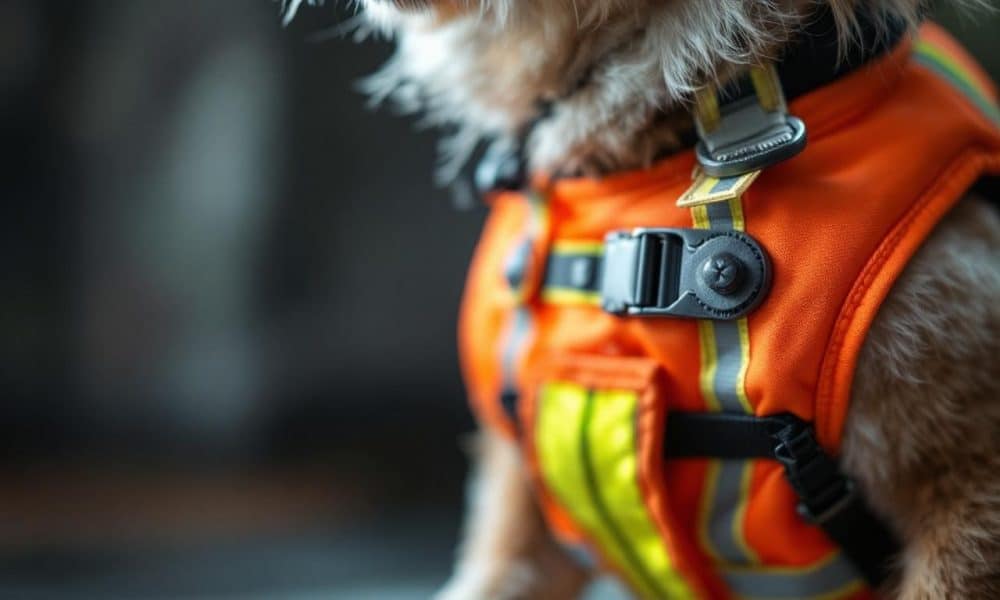
Introduction to Small Dog Safety Vests
Small dogs face unique safety challenges during walks, hikes, and outdoor adventures. A quality small dog safety vest can mean the difference between visibility and danger in low-light conditions. To help you make the right choice, we tested dozens of safety vests and identified the key features that matter most.
What Safety Features Matter Most
Visibility Elements That Save Lives
Reflective strips and high-visibility colors form the backbone of effective small dog safety vests. The American Kennel Club emphasizes that visibility remains the top priority for outdoor dog gear. Neon orange, bright yellow, and lime green outperform standard colors in low-light visibility tests. Reflective strips should wrap around the chest and back, not just sit on top. 3M Scotchlite reflective material meets performance specifications for visibility, while cheaper alternatives provide less effective reflection.
Proper Fit Standards
Adjustable straps separate quality vests from cheap alternatives. Your small dog’s vest needs four adjustment points: neck, chest, belly, and back. Chihuahuas and Yorkies require different proportions than Dachshunds due to body length variations. The vest should fit snugly without restricting breath or movement. Test the fit by sliding two fingers under the straps. Too loose means the vest shifts during activity, reducing visibility and protection.
Material Quality That Lasts
Weather-resistant materials prevent vest failure when conditions turn harsh. Ripstop nylon withstands tears from branches and rough surfaces better than standard polyester. Waterproof coatings keep reflective strips functional in rain, while breathable mesh panels prevent overheating. Quality manufacturers use YKK zippers and reinforced stitching at stress points. Cheap vests fail after 20-30 washes, but well-constructed ones maintain effectiveness for 200+ wash cycles.
How Do You Get the Perfect Fit?
Measure Small Dogs the Right Way
Small dog measurements require precision that standard charts ignore. Measure your dog’s neck circumference at the widest point, typically 2 inches below the ears. The chest measurement sits directly behind the front legs at the deepest part of the ribcage. Girth measurements span from the base of the neck over the shoulders to the belly. Dachshunds need 18-22 inch body length measurements, while Chihuahuas focus on 8-12 inch chest spans.
Weight Distribution Challenges for Small Breeds
Small dogs carry weight differently than larger breeds, which creates unique vest problems. Toy breeds like Yorkshire Terriers have delicate tracheas that collapse under pressure from poorly fitted neck straps. The vest weight should never exceed 10 percent of your dog’s body weight. Front-heavy breeds like French Bulldogs need rear panel support to prevent the vest from movement during activity. Barrel-chested dogs like Pugs require wider chest panels, while narrow breeds like Italian Greyhounds need tapered designs.
Breed-Specific Solutions
Different small dog breeds demand specialized vest configurations that generic sizes cannot provide. Long-bodied breeds like Dachshunds need extended back panels and multiple adjustment points to prevent gaps. Short-legged breeds like Corgis require higher chest clearance to avoid movement restrictions. Flat-faced breeds like Pugs need loose neck fits to prevent problems with breath. Sighthounds like Whippets have deep chests that require narrow, tapered designs.
Which Brands Deliver Real Protection?
Premium Brands That Perform
Ruffwear Float Coat dominates the premium market and delivers exceptional durability while maintaining reflective effectiveness. Outward Hound offers three models that target different experience levels. Kurgo Enhanced Strength Tru-Fit combines athletic fit with machine-washable convenience, though some users report size inconsistencies for breeds under 15 pounds.
Real-World Performance Data
Customer reviews reveal significant performance gaps between brands. Ruffwear maintains 4.6/5 stars across 12,000+ reviews, with 89% of small dog owners who report improved confidence during water activities. Outward Hound models average 4.2/5 stars, with the Granby that receives praise for front neck float design that keeps heads above water.
Activity-Specific Features
Water activity vests require different specifications than hike or protection models. Swim vests need buoyancy ratings of 15-20 newtons for dogs under 25 pounds, while hike vests prioritize visibility and weather resistance. Cool vests work best in temperatures above 75°F but lose effectiveness in humidity over 70%. Anxiety vests require consistent pressure distribution, with successful models that apply 3-5 pounds of gentle compression across the torso. Predator protection vests incorporate polycarbonate spikes and Kevlar thread, though they add 8-12 ounces of weight that smaller dogs may find restrictive during extended wear.
Conclusion
The right small dog safety vest balances visibility features, proper fit, and activity-specific needs. Reflective strips with 3M Scotchlite material and high-visibility colors provide the foundation for protection. Adjustable straps at four points create the secure fit small breeds demand. Breed-specific measurements matter more than weight alone when you select a vest. Premium brands like Ruffwear and Outward Hound deliver proven performance, though they cost more than cheaper alternatives. Activity determines which features you need most, and investing in a quality vest can make a significant difference in your small dog’s safety.