

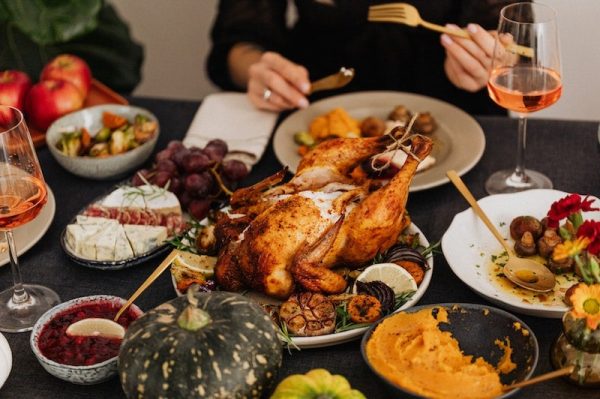
Introduction to Christmas Dinner with Dogs
When cooking Christmas dinner with a dog in the house, it’s essential to be aware of every crumb that hits the floor, as dogs can quickly turn into four-legged vacuums. The question of whether to give them some turkey often arises, but the answer isn’t straightforward. While dogs can safely eat several foods from the holiday spread, preparation matters significantly.
Quick Reference: 10 Safe Christmas Foods for Dogs
Here’s a list of safe Christmas foods for dogs:
- Turkey (plain, cooked, boneless)
- Cranberries (unsweetened only)
- Potatoes (cooked, plain)
- Green beans (fresh or cooked)
- Homemade broth (no onions or garlic)
- Eggs (cooked thoroughly)
- Dog-friendly gingerbread cookies
- Carrots (raw or cooked)
- Pumpkin (plain, not pie filling)
- Cheese (small amounts only)
What "Plain" Actually Means
When vets say "plain," they mean aggressively boring, with no added seasonings, herbs, or spices. This is harder than it sounds, as we often season food by default. For dogs, it’s essential to cook a parallel, flavorless version of Christmas dinner.
The Protein Question
Turkey is a safe protein for dogs if it’s plain, cooked, and boneless. However, it’s crucial to strip away the skin, bones, and any parts that touched seasonings. Raw turkey is off the table due to the risk of Salmonella and Campylobacter. Homemade broth made from turkey or chicken is safe if it doesn’t contain onions, garlic, or shallots.
The Vegetable Lineup
Dogs can eat various vegetables that show up at Christmas dinner, including:
- Potatoes and sweet potatoes (fully cooked)
- Green beans (raw or cooked)
- Carrots (raw or cooked)
- Pumpkin (plain, not pie filling)
The Cranberry Situation
Cranberry sauce made from scratch can be safe for dogs if a small, unsweetened portion is set aside before adding sugar. Fresh cranberries are also safe, but canned cranberry sauce is not due to its high sugar content and potential presence of xylitol.
What About Gingerbread?
Gingerbread cookies are a Christmas staple, and ginger itself is safe for dogs. However, it’s essential to find dog-friendly gingerbread recipes that skip added sugars and use safe ingredients.
The Cheese Debate
Small amounts of plain cheese are generally okay for dogs who tolerate dairy, but it’s high in fat and low in nutritional value. Certain types of cheese, such as blue cheese and goat cheese, should be avoided due to their potential toxicity.
Portion Control Matters
Even safe foods can cause problems in large quantities. Rich foods can trigger pancreatitis, while too much fiber can cause diarrhea. Treats should make up no more than 10% of a dog’s daily caloric intake.
The Absolute No List
Some Christmas foods are genuinely dangerous and require immediate vet attention if consumed, including:
- Raw or undercooked meat
- Cooked bones
- Onions and garlic
- Grapes and raisins
- Chocolate
- Alcohol
- Xylitol
- Macadamia nuts
- Excessively fatty foods
Making It Work
To include dogs in Christmas dinner safely, set aside small, plain portions of food before adding seasonings. Cook everything thoroughly, let it cool, and cut it into appropriate sizes. Start with small amounts and watch for any digestive upset.
Conclusion
Including dogs in Christmas dinner isn’t about giving them a full plate of human food; it’s about making them feel part of the celebration without risking their health. A few pieces of plain turkey and some vegetables mixed into their regular food can make them feel special without the risk of an emergency vet visit. By being mindful of what we feed our dogs and taking necessary precautions, we can ensure a happy and stress-free holiday for everyone.