

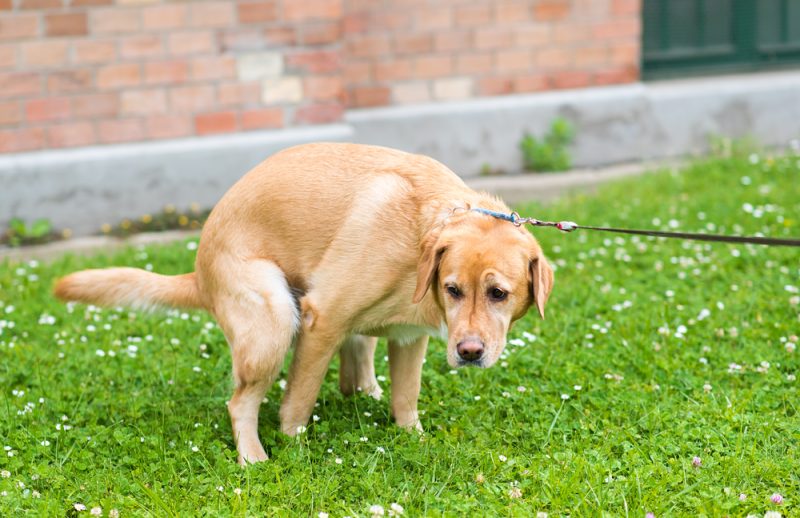
Introduction to Dog Diarrhea
Few things make pet parents worry faster than the sound of a gurgling tummy, especially when followed by a messy surprise on the floor. Diarrhea is never fun (for your pup or you!), and while it’s often not serious, it’s always stressful. If your dog’s acting normal but has loose stools, a few gentle dietary tweaks can help settle their stomach and get things “back to business” quickly. However, if your dog is vomiting, refusing food, or the issue persists for more than two days, it’s time to call your vet.
Understanding the Causes of Diarrhea in Dogs
Sometimes, diarrhea is just your dog’s way of saying, “That didn’t agree with me.” Maybe they snuck a bite of something off the floor, or a new treat didn’t sit right. But there are other potential causes:
- Bacterial infections – Can cause diarrhea, loss of appetite, and lethargy. Dogs can pick these up from raw meat, other animals, or contaminated feces.
- Parasites – Worms and protozoa can irritate the intestines. Some are zoonotic (transmissible to humans), so keep good hygiene, especially for kids.
- Food allergies or chronic illness – Inflammatory bowel disease, liver issues, or even certain cancers can cause long-term digestive distress.
Foods to Help Soothe Your Dog’s Upset Stomach
In the meantime, here are some vet-approved foods that can calm an upset tummy and help your pup feel like themselves again:
1. Sometimes, No Food Is Best
When your dog’s digestive system is inflamed, rest can be the best medicine. Fasting your adult dog for 12–24 hours gives their gut time to reset. Just make sure they still have access to fresh water so they stay hydrated. Note: Skip this step for puppies and seniors, as they need steady nutrition. And if diarrhea lasts more than a day, check with your vet before continuing a fast.
2. Hydration Hero: Low-Sodium Broth
A warm, low-sodium broth keeps your pup hydrated and gently nourished without upsetting their stomach. It’s flavorful enough to tempt them to drink more, which helps replace lost fluids. Stick with low-fat, low-sodium broths and avoid stock with onions or other harmful ingredients. Homemade bone broth is even better, and your dog will love it.
3. Plain White Rice: The Ultimate Tummy Soother
There’s a reason rice is a vet favorite. Plain boiled white rice is bland, gentle, and helps firm up loose stools. It also gives your dog an energy boost while their tummy recovers. Cook it without butter or salt, and if you want to make it extra tasty, mix in a little broth.
4. Pumpkin Power
Canned pumpkin (not pie filling!) is packed with fiber that helps firm up runny stools. It’s low in fat, rich in nutrients like potassium and beta-carotene, and gentle on sensitive stomachs. A spoonful or two mixed into your dog’s food can make a world of difference.
5. Lean, Low-Fat Protein
Once your dog is ready for solid food again, start with a lean protein like boiled chicken or turkey. It’s gentle, satisfying, and easy to digest. Skip the seasoning — no salt, butter, or spices. Just simple, clean protein that’s kind to the stomach.
6. Plain Mashed Potatoes
Mashed potatoes (without butter, milk, or salt) can comfort your pup just like they comfort you. They’re a good source of carbohydrates and potassium, both important when your dog has been losing fluids. Use some of the water you boiled them in for extra moisture.
7. Unsweetened Applesauce
Plain applesauce is another mild, tummy-friendly treat. It’s full of fiber and helps replenish electrolytes. Just make sure it’s unsweetened with no added sugars or artificial sweeteners. Serve it in small amounts, or mix it with rice or chicken for a gentle transition back to solid food.
8. Stage II Baby Food (Meat-Based)
Believe it or not, baby food can be a lifesaver for picky eaters or recovering pups. It’s soft, easy to digest, and often free of harmful seasonings. Choose meat-based Stage II baby foods with no onions or garlic.
9. Sensitive-Stomach Dog Food
If your dog seems to get diarrhea often, a switch to a commercial diet made for sensitive stomachs might help. These diets are low in fat and designed to be gentle on digestion. Transition slowly by mixing the new food with their old diet over several days to avoid making things worse.
10. Vet-Prescribed Diets
For chronic or severe cases, your vet might recommend a prescription diet. These formulas often contain hydrolyzed or novel proteins (like duck or venison) that prevent allergic reactions and reduce inflammation.
What to Do If Your Dog’s Diarrhea Persists
If symptoms linger beyond 48 hours, or if your dog seems weak, dehydrated, or in pain, see your vet immediately. Every dog has the occasional stomach mishap, but knowing what to feed them can make all the difference. Start slow, stay gentle, and give their body time to heal. Most importantly, trust your instincts. You know your pup best. If something feels off, a quick call to your vet is always worth it.
Conclusion
Diarrhea in dogs can be a stressful and messy issue, but with the right approach, you can help your pup recover quickly. By understanding the causes of diarrhea, knowing what foods to feed, and when to seek veterinary help, you can ensure your dog stays healthy and happy. Remember, every dog is different, and what works for one may not work for another. Always consult with your vet if you’re unsure about the best course of action for your furry friend. With a little care and attention, your dog will be back to their old self in no time.